
A Summer with the Black-Throated Divers
A Summer with the Black-Throated Divers: Watching a Family Thrive
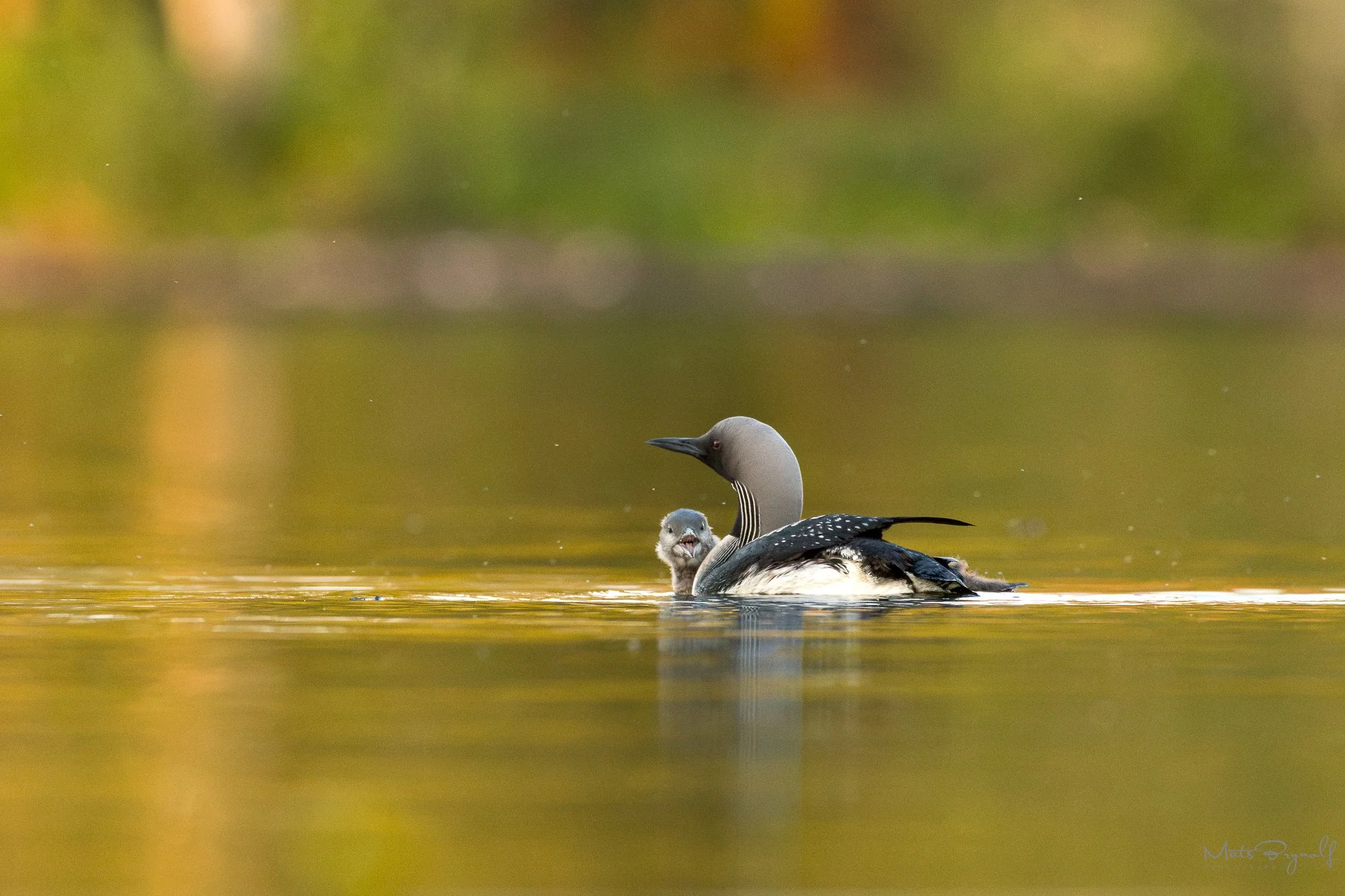
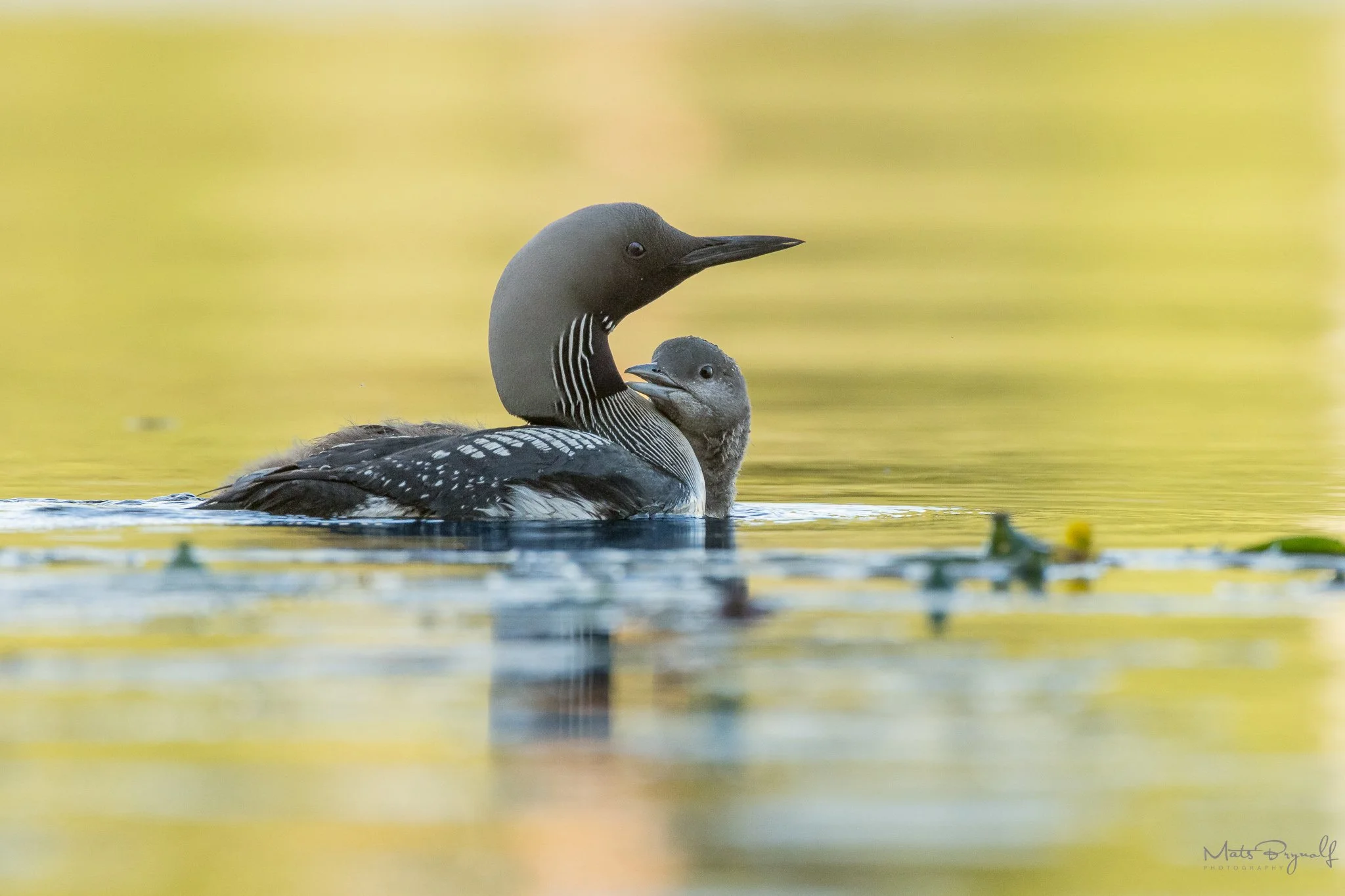
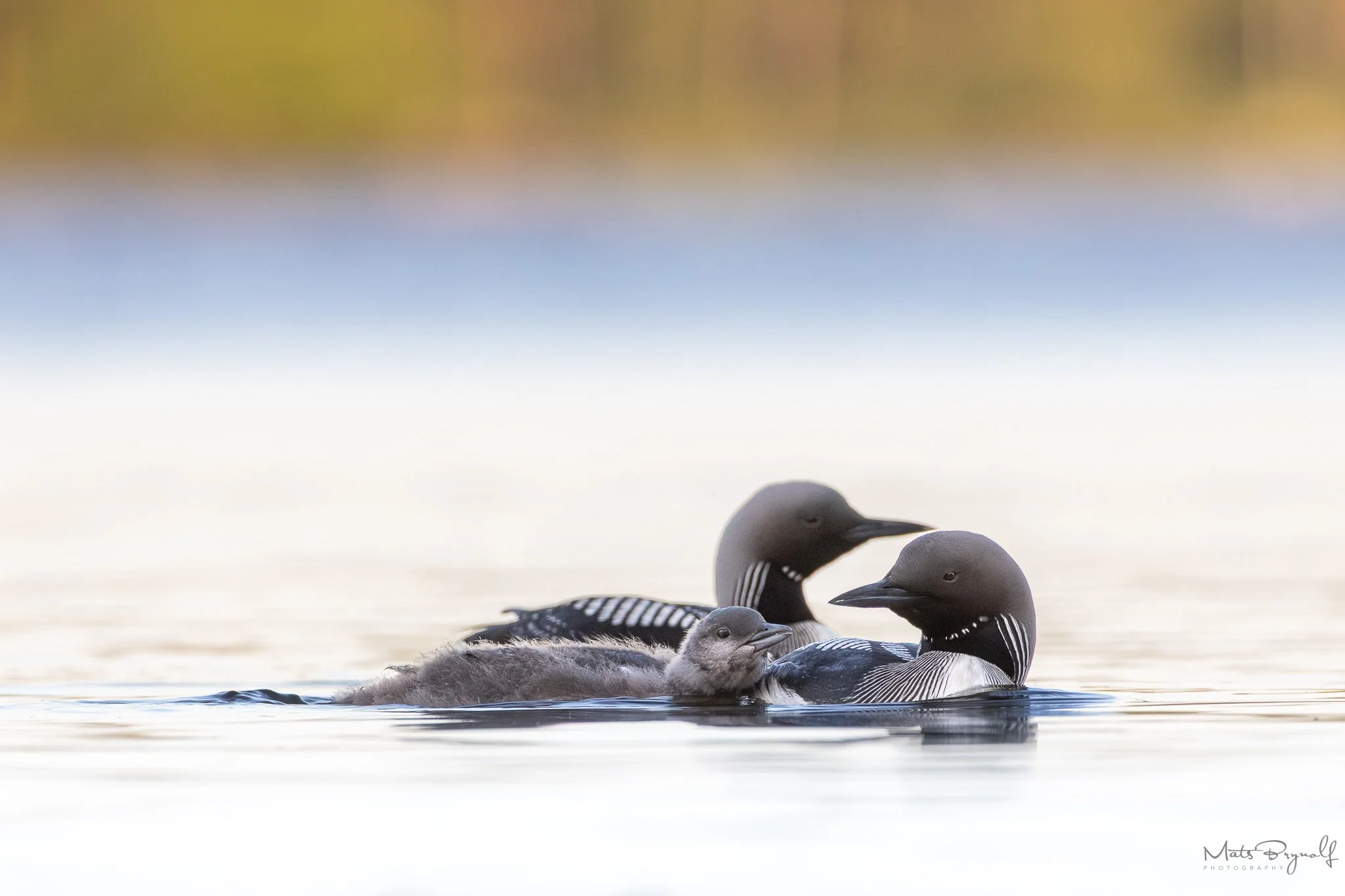
There is a quiet magic that settles over a lake at dawn, a stillness broken only by the haunting, echoing call of the black-throated diver. This summer, I had the incredible privilege of following a single diver family. Two devoted parents and their lone chick watching an entire season of growth, resilience, and survival unfold day by day.
Devoted Parents and Constant Vigilance
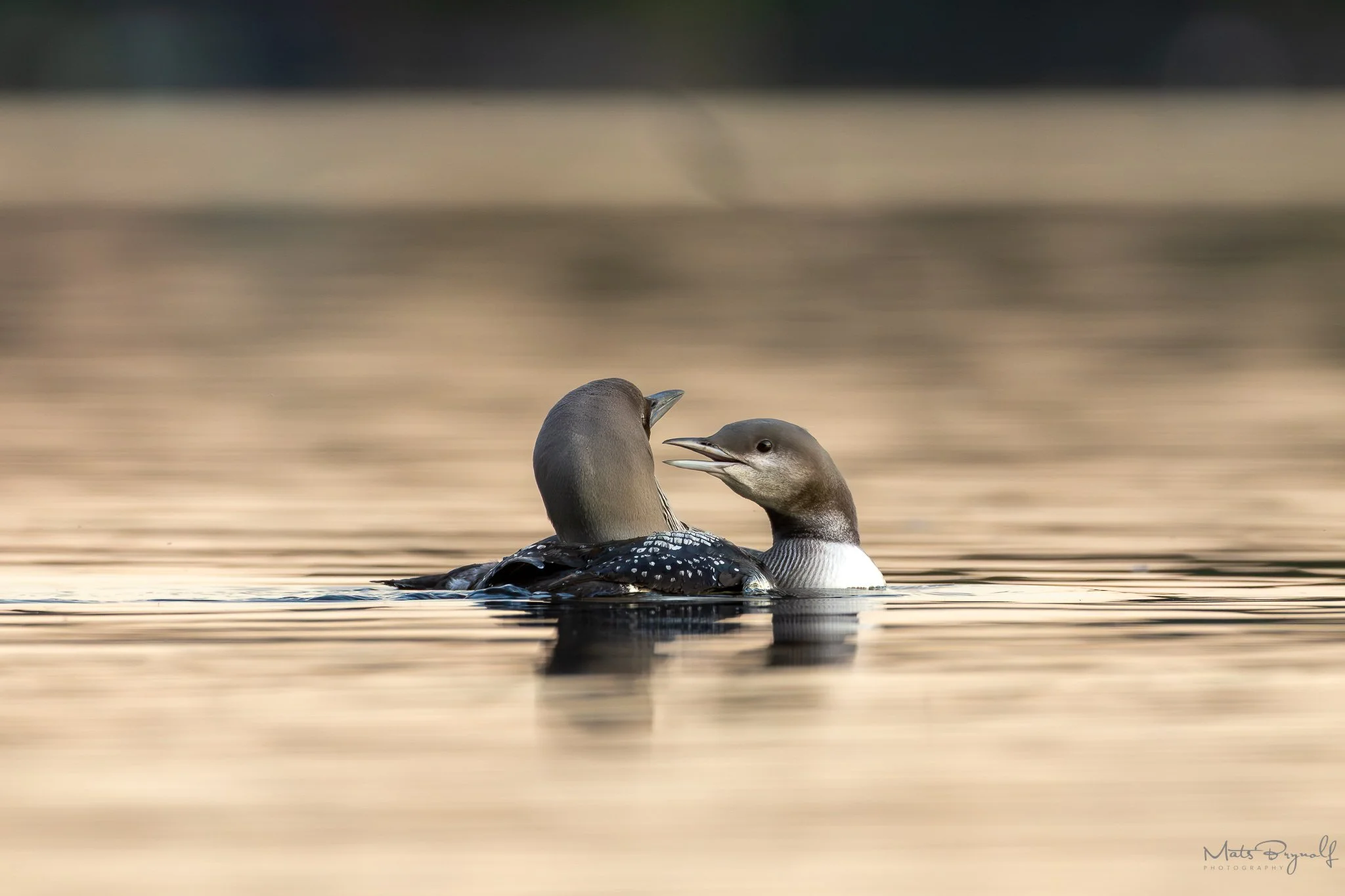
From the moment the chick hatched, the parents were a masterclass in avian devotion. Navigating a busy lake isn't easy, and boats often posed a real threat. Time after time, I watched the adults position themselves like living shields between oncoming boat traffic and their small gray fluffball, expertly guiding the chick toward the safety of the reeds.
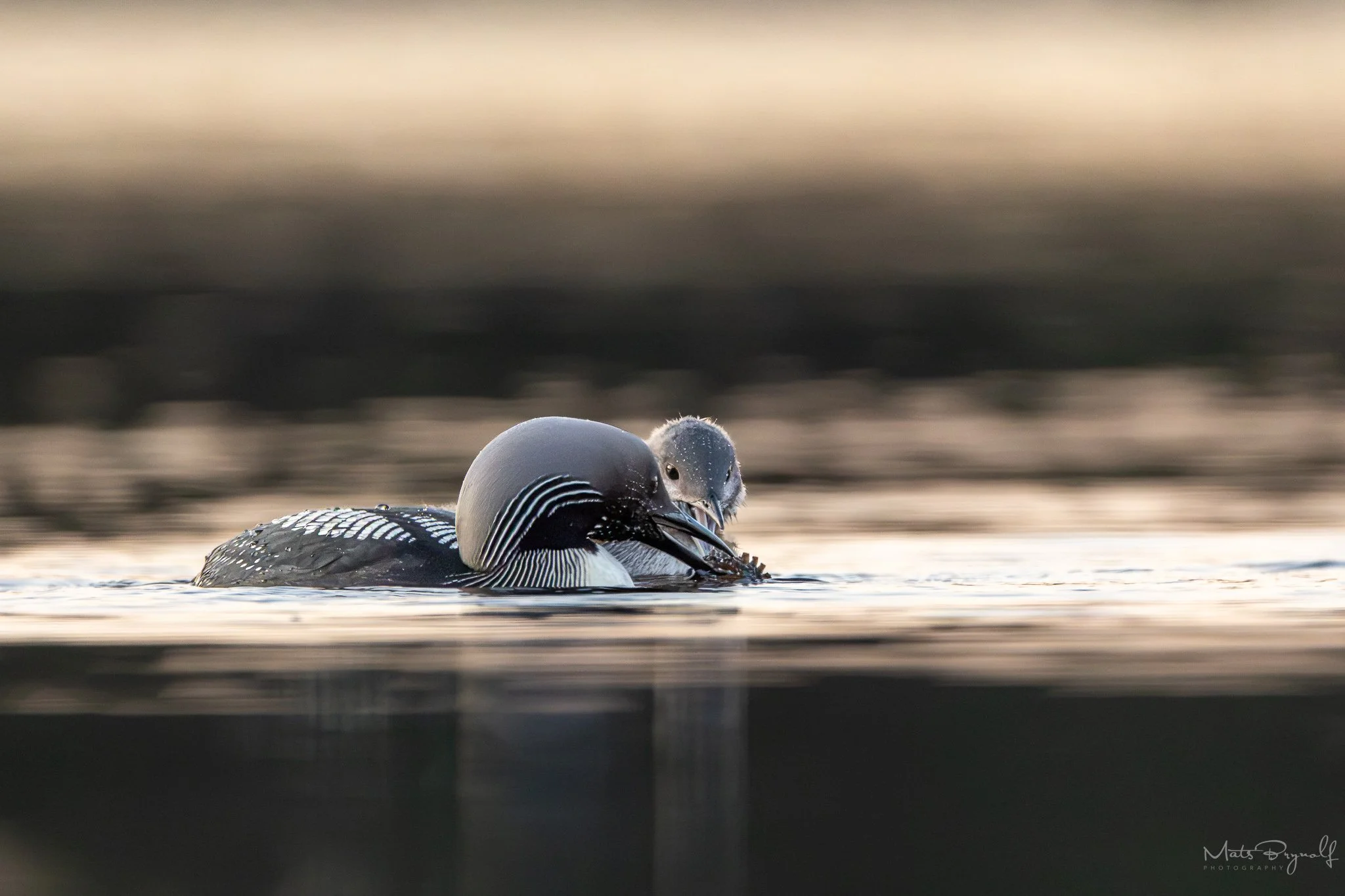
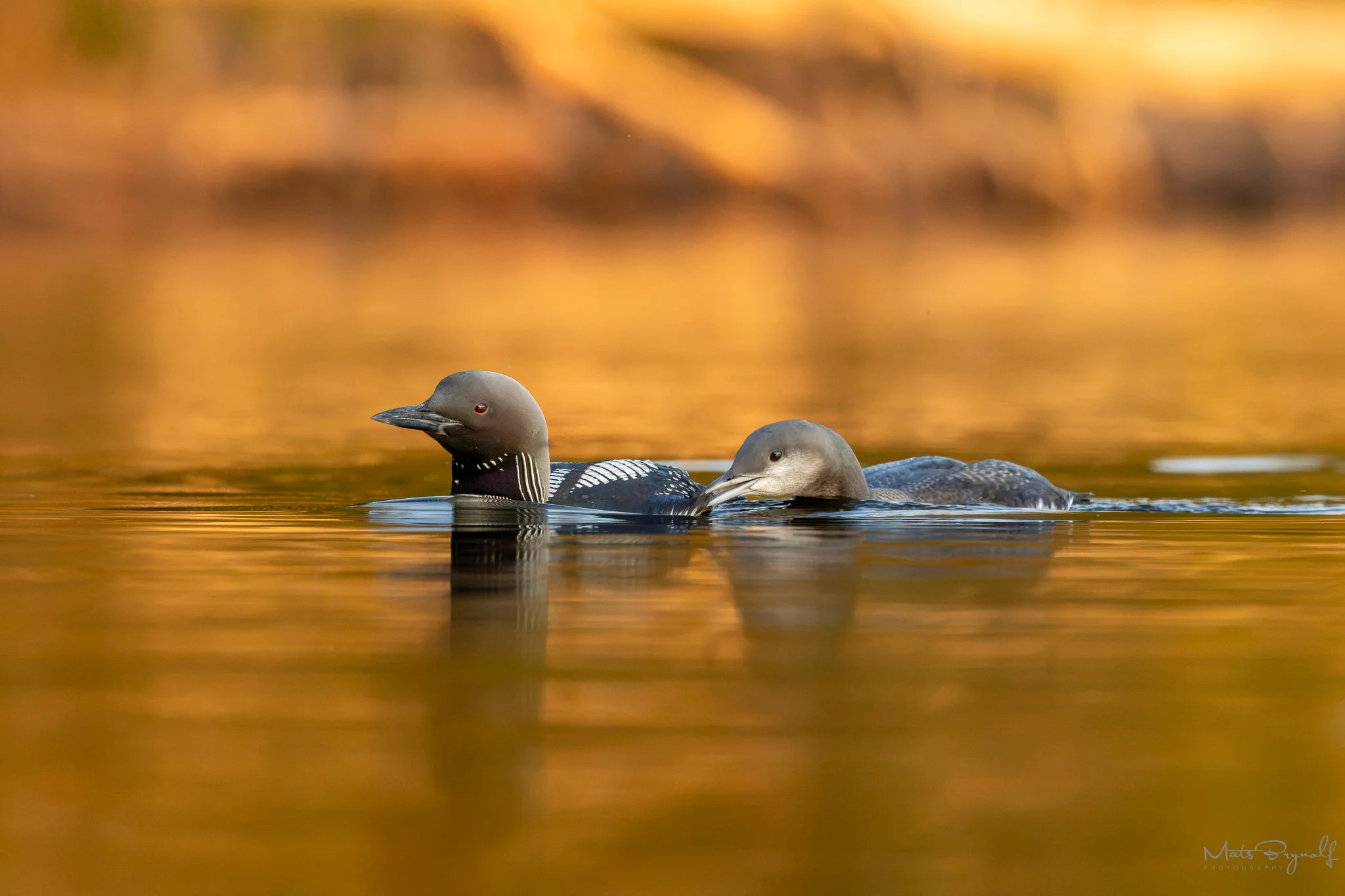
Their dedication extended far beyond protection, their primary mission was an endless food run. While black-throated divers eat plenty of small fish, this pair specialized in freshwater crayfish. Watching the adult’s surface with a snapping crayfish, carefully tenderize it in the water, and pass it off to the eager chick became a daily ritual. Thanks to this constant, high-protein diet, the young one grew at an astonishing pace.
A Moment of Ultimate Trust
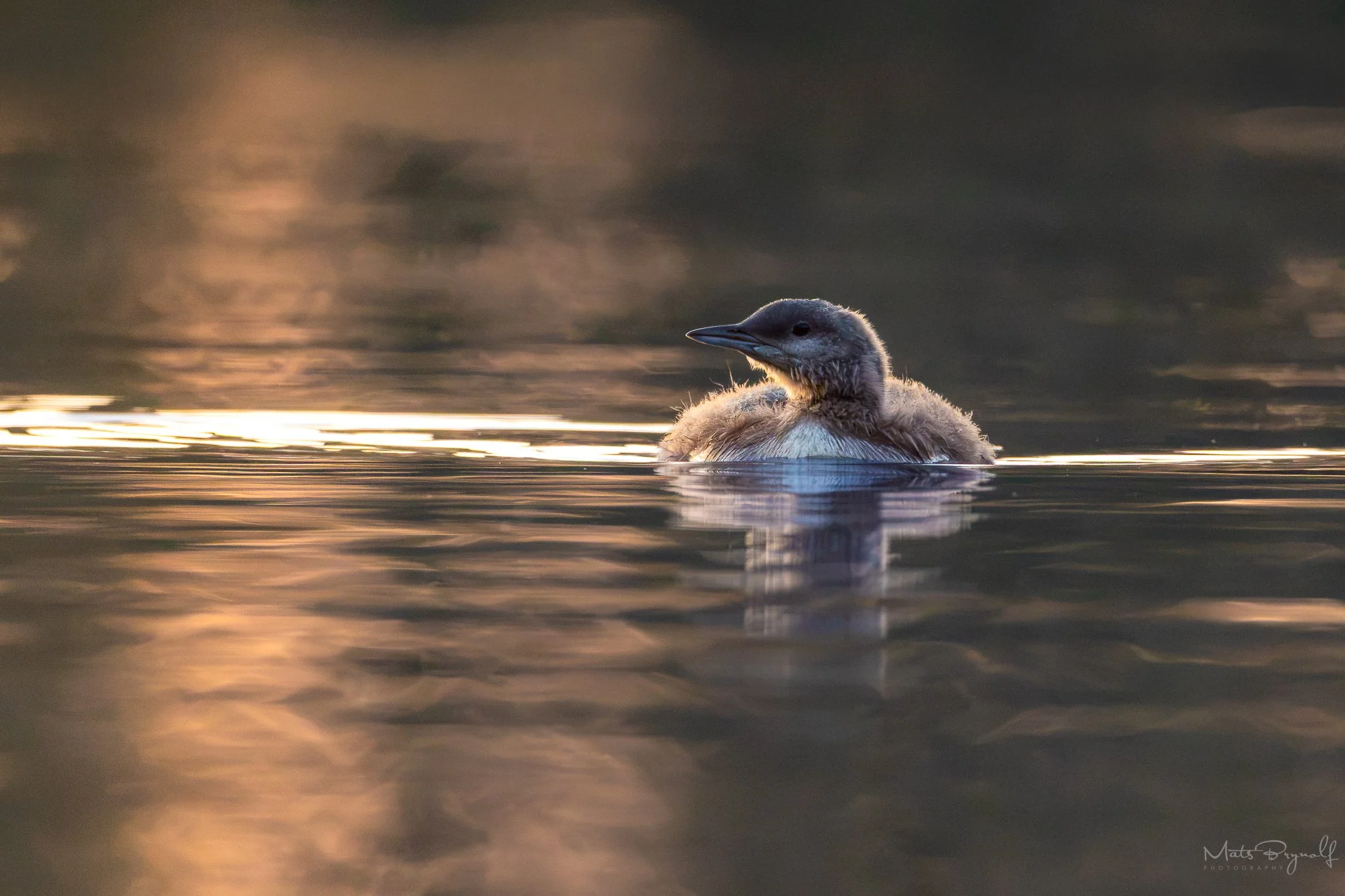
The defining moment of the entire summer happened on a quiet morning by the water's edge. I was sitting completely still on the shoreline when the whole family began swimming steadily right toward me. They glided through the glass-like water until they were just yards away. Then, in a remarkable display of acceptance, the parents calmly turned, left the chick resting in the shallow water barely 15 meters away from me, and took off into the sky to fish out on the open lake. To sit there alone in the quiet, trusted to share the same space with this vulnerable young bird, was a humbling experience I will never forget.
Learning Independence
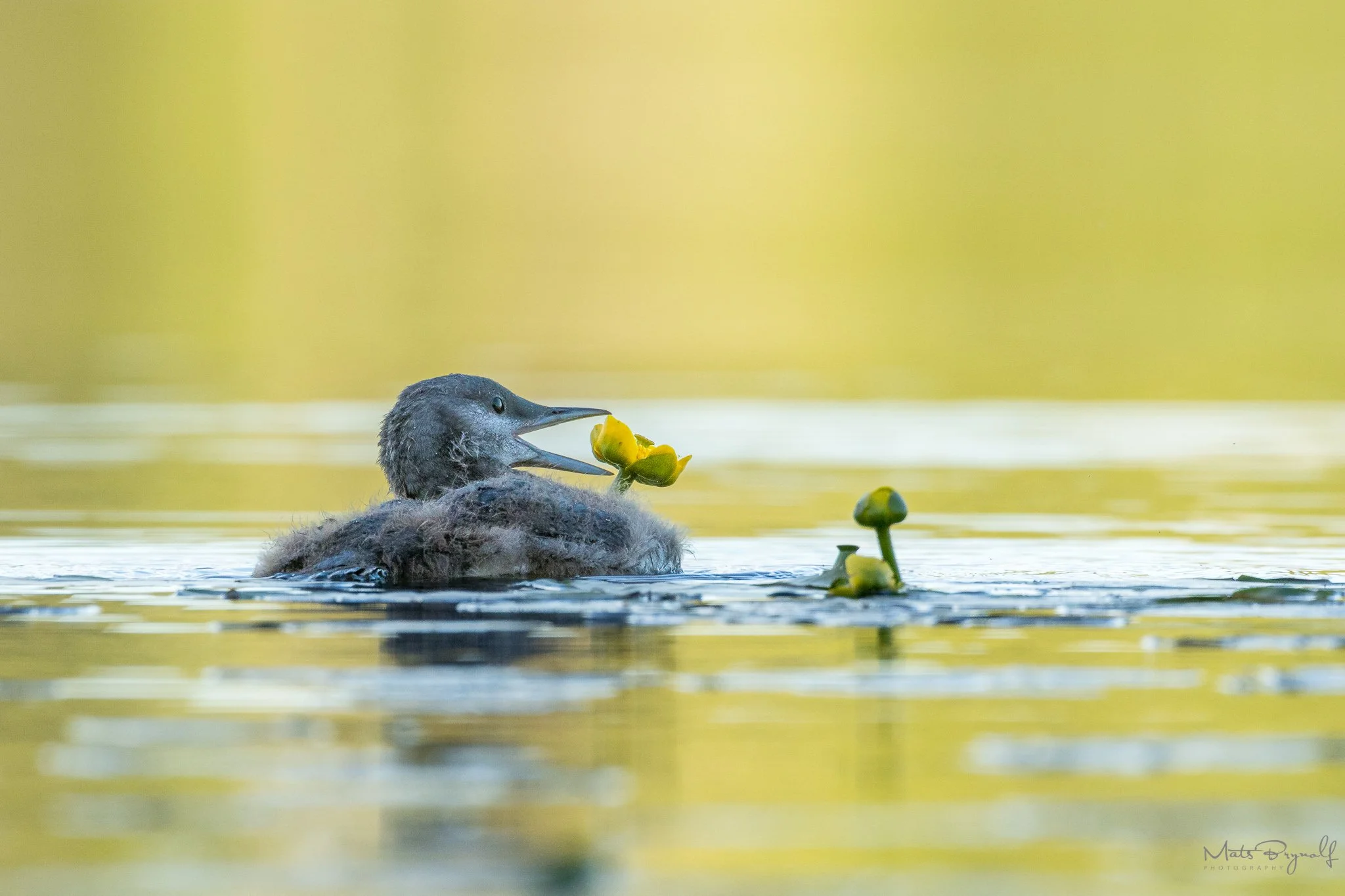
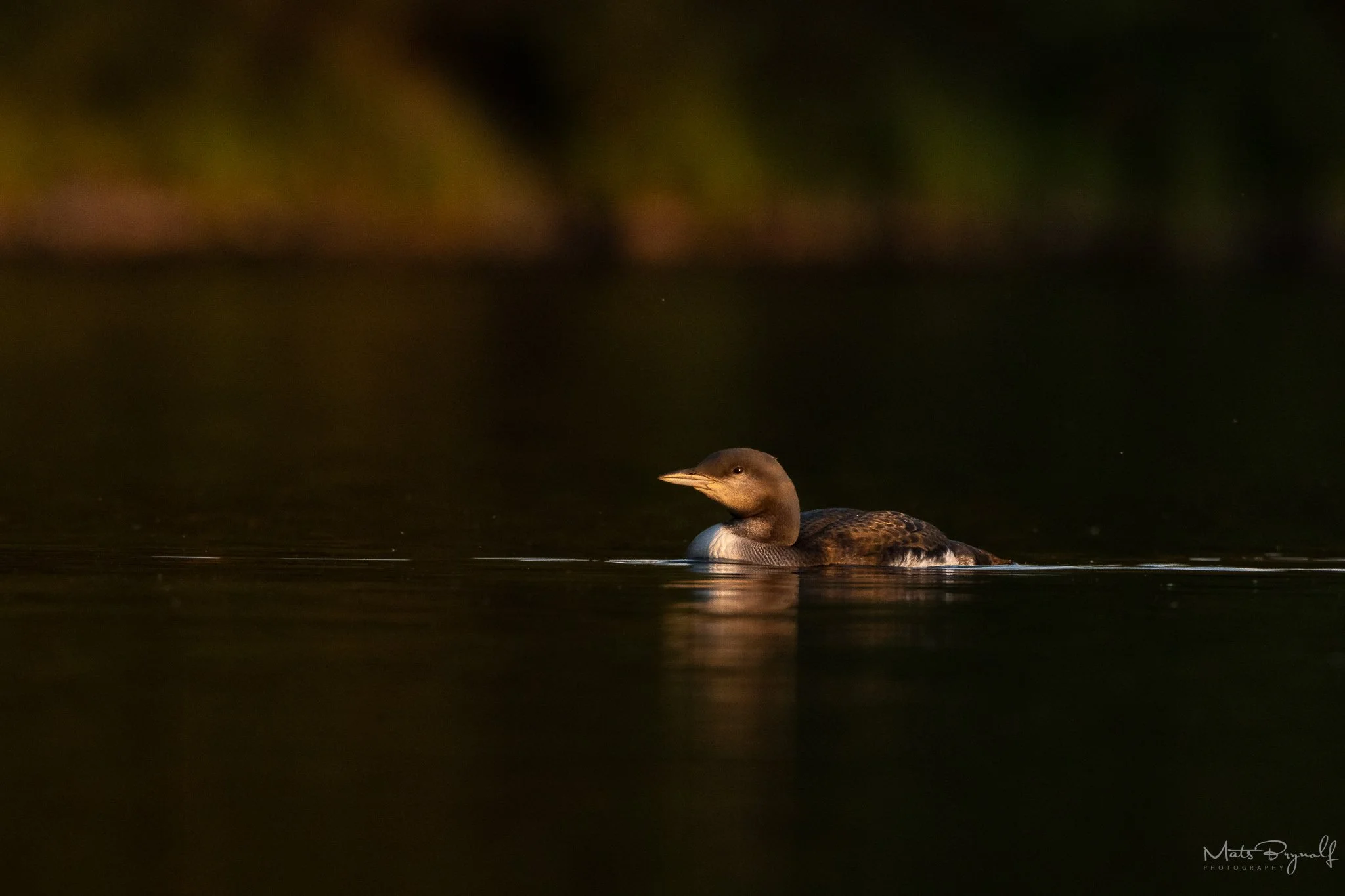
Moments like that showed just how comfortable the family had become, but these long stretches of solitary life were also vital for the youngster. While the parents flew off for hours to fish in deeper waters and socialize with neighboring divers, the chick learned to stay low, read the water, and develop the quiet independence needed for survival.
Saying Goodbye to the Season
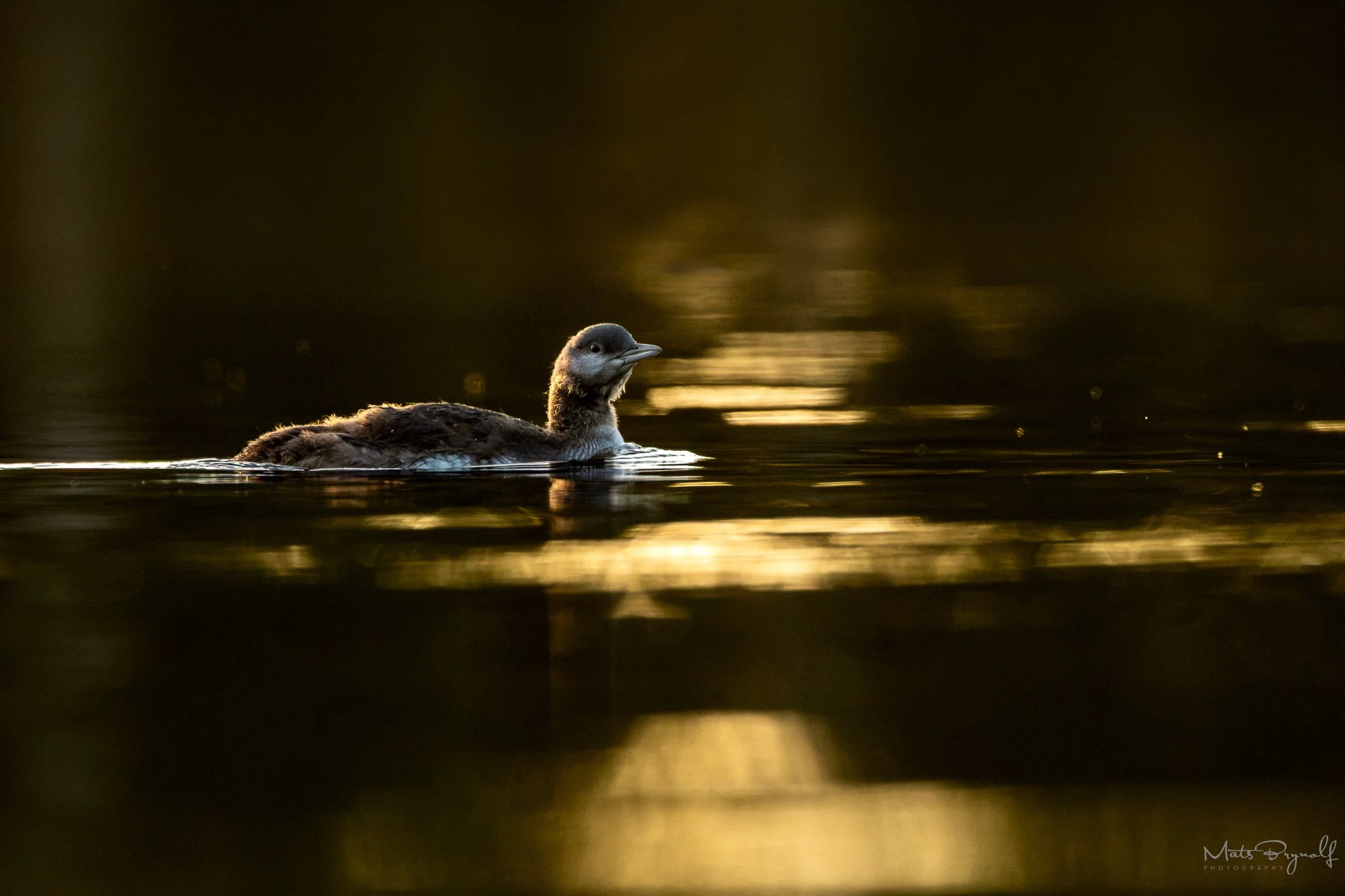
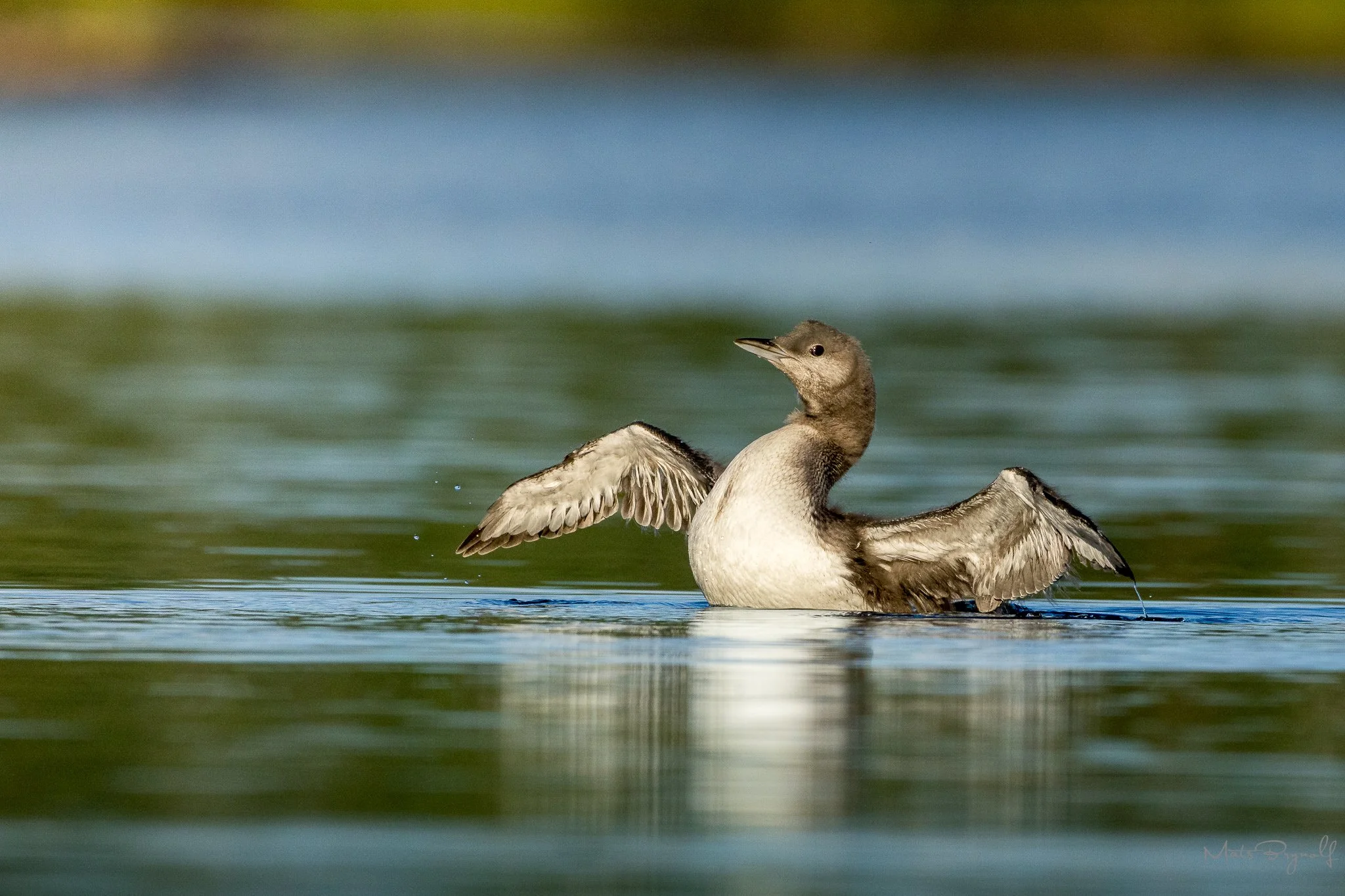
Watching the chick transform from a helpless, buoyant down ball into a sleek, capable juvenile ready for the autumn migration has been one of the most rewarding experiences of my wild observations. These magnificent birds gave me a front-row seat to the beauty of instinct and patience, leaving me with memories and photos that will last long after the lake freezes over.
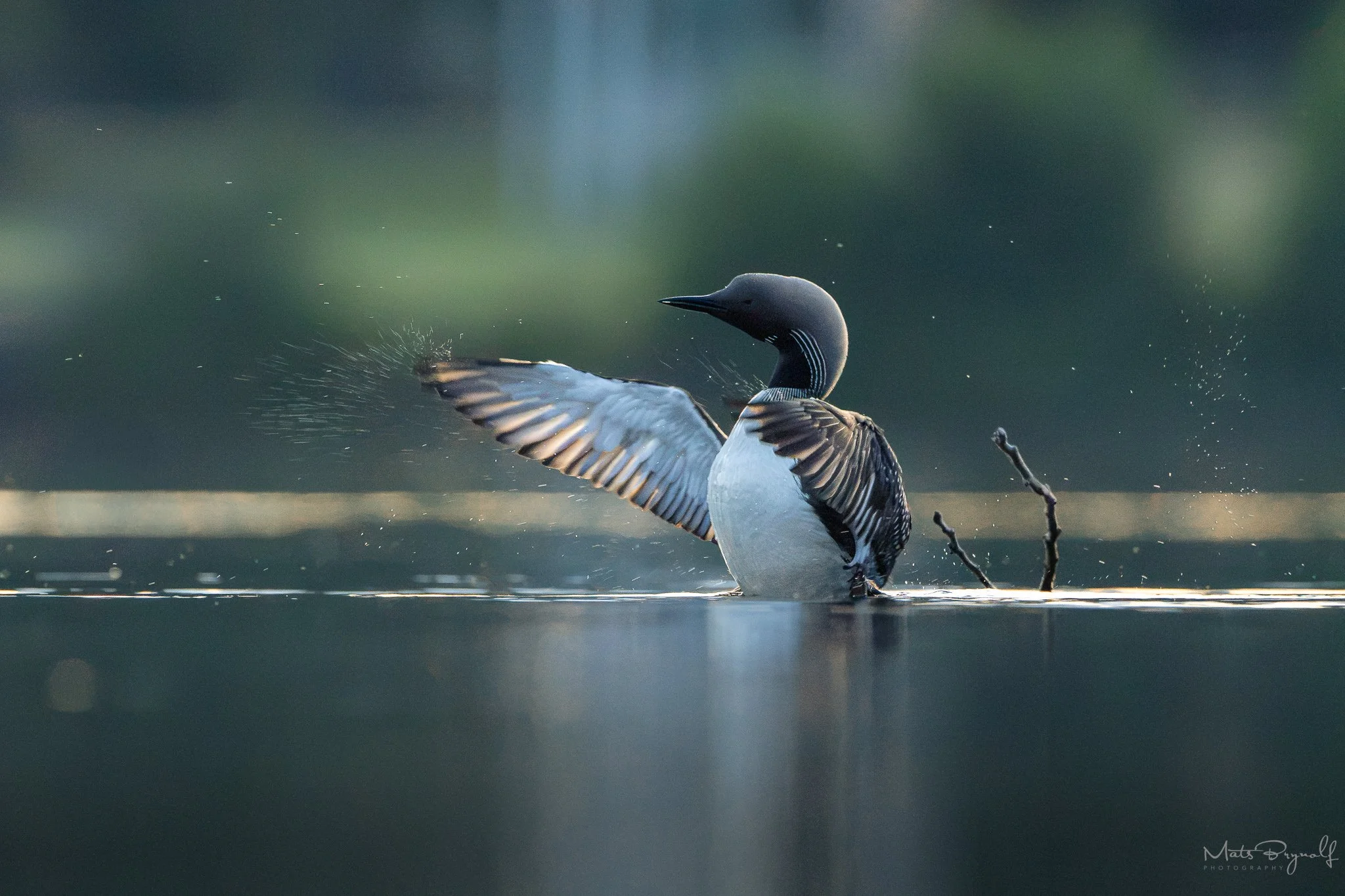
Black-throated loons (Gavia arctica) often gather in groups during late summer and early autumn. This social phenomenon serves three primary purposes:
Social Interaction and Mate Display: After the breeding season concludes, both established pairs and non-breeding adults assemble in open water. These gatherings allow younger birds to learn social behaviors, display fitness, and evaluate potential mates or territories for upcoming seasons.
Cooperative Fishing: In larger lakes, groups of loons often coordinate to surround and drive schools of small fish toward the surface, making foraging significantly more efficient than hunting individually.
Pre-Migration Assembly: As autumn approaches in late August and September, these communal stagings allow birds to rest, socialize, and synchronize before embarking on their long migration south toward wintering grounds in the Black, Caspian, or Mediterranean Seas.
During these gatherings, the loons frequently perform synchronized diving routines, swim in tight formations with upright necks, and engage in vocal choruses.